Integrating 3D Gnome SVG DXF Christmas Svg Files Into Your Creative Production Workflow
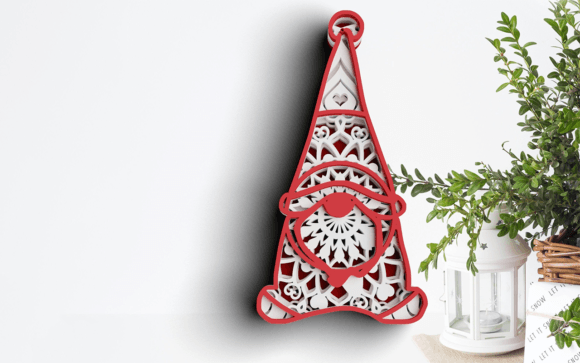
The transition from digital design to physical product requires precise asset management and an understanding of how layered vector files interact with fabrication hardware. When working with a 3D Gnome SVG DXF Christmas Svg, you are not merely downloading a holiday graphic; you are acquiring a structured manufacturing blueprint. This specific design, featuring four distinct layers that blend traditional gnome aesthetics with intricate mandala geometry, serves as a functional component in a broader production pipeline. For creators, small business owners, and hobbyists using Cricut, Silhouette, or laser cutting systems, success depends on treating this file as a technical resource rather than simple clip art.
Understanding the architecture of this 4-layer 3D mandala is essential before importing it into any software environment. Unlike standard flat vinyl decals, this design relies on vertical stacking to create depth and shadow. Each layer represents a specific Z-axis position in the final assembly. The fusion of the gnome silhouette with mandala patterns introduces varying line weights and cut complexities that demand attention during the preparation phase. Recognizing this structure early prevents material waste and ensures the final shadow box or tree ornament achieves the intended dimensional effect.
Pre-Production Planning and Material Compatibility
Before initiating any cuts, the planning phase must address material selection relative to the design’s complexity. A 4-layer 3D design interacts differently with cardstock than it does with basswood or acrylic. Because this 3D Gnome SVG DXF Christmas Svg incorporates detailed mandala elements, material stability is paramount. Thin papers may warp when adhesive is applied between layers, while thicker materials might obscure the delicate internal cuts of the mandala pattern.
- Cardstock Weight: For paper-based shadow boxes, 65lb to 80lb cardstock provides sufficient rigidity for stacking without sagging. Heavier weights may cause blade drag on intricate mandala details.
- Laser Materials: When utilizing the DXF file for laser cutting, 1/8-inch birch plywood or 3mm MDF offers the structural integrity needed for 3D assembly. Test kerf compensation specifically on the mandala sections, as tight tolerances can result in lost pieces.
- Adhesive Strategy: Plan your bonding method before cutting. Foam tape creates genuine 3D separation between the gnome layers, while liquid glue suits flat mandala backing. Your choice dictates whether you need to modify spacing in the design software.
Efficient workflow also involves organizing your digital assets immediately upon download. The provided ZIP contains four distinct formats: SVG, DXF, EPS, and PNG. Establishing a standardized naming convention and folder structure for these files prevents version control issues later. Separate your source files from your working project files to maintain a clean master library. This organizational step is critical for entrepreneurs managing multiple seasonal SKUs or educators coordinating classroom projects where file retrieval speed impacts overall productivity.
Software Integration and Machine Setup
The versatility of this design package lies in its cross-platform compatibility, but each format serves a specific technical purpose within your ecosystem. Understanding when to deploy the SVG versus the DXF or EPS optimizes both setup time and output quality.
Cricut Design Space and Silhouette Studio
For users operating Cricut or Silhouette machines, the SVG format is the primary workflow asset. Upon import, verify that the four layers remain grouped correctly. Design Space sometimes ungroups complex mandala vectors, which can disrupt the layering sequence. If this occurs, use the "Attach" function to lock the spatial relationship between the gnome outline and the internal mandala cuts. For Silhouette Studio Designer Edition users, the SVG retains editable nodes, allowing for minor size adjustments without pixelation. Always perform a test cut on scrap material to validate blade depth settings against the mandala’s finest details before committing to premium stock.
Laser Cutting and Professional Fabrication
The DXF and EPS formats included in this package are engineered for laser cutting and professional printing workflows. DXF files provide clean vector paths essential for LightBurn or RDWorks, eliminating the double-line artifacts that sometimes occur when converting raster images. When setting up for laser cutting, assign different power and speed settings to cut lines versus score lines if the mandala includes engraving details. The EPS format serves as a bridge for Adobe Illustrator or CorelDRAW users who need to resize the design for large-format shadow boxes or modify the gnome’s color palette for UV printing prior to cutting.
The high-resolution 300 DPI PNG acts as a supplementary asset. While not used for cutting, it is invaluable for creating product mockups, listing photos, or digital proofs for clients. Integrating this PNG into your marketing workflow allows you to showcase the 3D Gnome design before physical production begins, facilitating pre-sales or approval processes.
Execution Strategies for Layered Assembly
The actual fabrication of a 4-layer 3D mandala requires a systematic approach to assembly. Rushing this stage compromises the alignment that gives the design its professional finish. Treat the assembly process as a precision task rather than a craft activity.
- Weeding and Preparation: Remove all interior mandala cuts immediately after weeding. Small paper or wood fragments left in place will interfere with layer adhesion. Use a fine-tip weeding tool for the intricate gnome beard and hat details.
- Dry Fit Verification: Before applying any adhesive, stack all four layers to confirm alignment. Check that the mandala patterns align symmetrically through the gnome’s body. This step identifies warping or sizing errors while they are still correctable.
- Sequential Bonding: Apply adhesive starting from the bottom base layer upward. Using foam spacers between the gnome silhouette and the mandala background enhances the 3D effect. Allow each layer to set partially before adding the next to prevent sliding.
- Finishing and Quality Control: Inspect the final piece under direct lighting to ensure no glue residue is visible through the mandala openings. Clean edges and consistent spacing distinguish a professional product from a hobbyist attempt.
For those producing these items at scale, consider creating a physical jig or template to standardize layer placement. This reduces cognitive load during repetitive assembly and ensures consistency across batches. Documenting your optimal machine settings and assembly times for this specific 3D Gnome SVG DXF Christmas Svg builds institutional knowledge that streamlines future holiday production runs.
Post-Production Applications and Business Integration
Once fabricated, the application of this 3D design extends beyond simple decoration. Understanding where this asset fits into your broader product or gift strategy maximizes its return on investment. As a shadow box gift, the layered mandala gnome offers perceived value significantly higher than flat ornaments due to its tactile depth and visual complexity. This makes it ideal for premium pricing tiers in Etsy shops or craft fair inventory.
For home decor applications, consider how lighting interacts with the four layers. Placing LED fairy lights behind the mandala layer transforms the static design into an illuminated centerpiece. This functional adaptation expands the product’s utility from daytime decoration to evening ambiance creator. When marketing this item, highlight the interplay of light and shadow as a key feature derived directly from the 4-layer construction.
Educators and workshop leaders can utilize this design as a teaching tool for layered vector concepts. The blend of organic gnome shapes with geometric mandala patterns provides excellent practice in handling diverse curve types and registration marks. Students learn practical skills in material management, machine calibration, and spatial reasoning through a tangible, seasonally relevant project.
Maintaining Workflow Efficiency and Asset Longevity
Sustainable creative practice involves maintaining your digital and physical resources for long-term use. After completing your initial project with the 3D Gnome SVG DXF Christmas Svg, archive the original ZIP file in cloud storage with descriptive metadata. Note which material weights worked best, optimal blade depths, and any modifications made to the original design. This documentation transforms a one-time download into a reusable production asset.
Consider how this design integrates with other holiday assets in your library. The mandala elements might be extracted and repurposed for greeting cards or gift tags, extending the value of the single purchase. Conversely, the gnome silhouette could be combined with different background patterns for future seasons. Viewing each SVG as a modular component rather than a fixed image encourages innovation and reduces the need for constant new acquisitions.
Quality control should extend to your digital workflow as well. Regularly update your cutting software to ensure continued compatibility with SVG and DXF standards. Monitor community forums for machine-specific tips regarding layered mandala cuts, as firmware updates can change how certain vector paths are interpreted. Staying informed about platform changes protects your ability to produce this design consistently year after year.
Ultimately, successful implementation of this 3D Christmas Gnome design hinges on respecting the technical requirements of layered fabrication. By approaching the 3D Gnome SVG DXF Christmas Svg with a process-oriented mindset—encompassing material planning, software optimization, precise assembly, and strategic application—you elevate the final outcome from a simple craft project to a professionally executed creation. Whether for personal enjoyment, educational purposes, or commercial sale, this structured approach ensures reliable results and efficient use of your creative resources.