Evaluating the 3D Christmas Wind Spinner Dog PNG Design for Seasonal Outdoor Decor
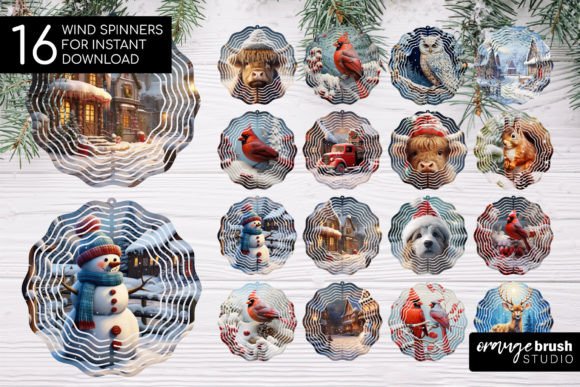
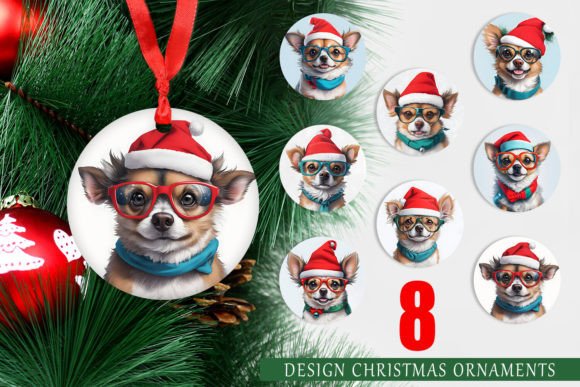
When selecting digital assets for holiday crafting, distinguishing between standard clipart and functional templates is essential for project success. The 3D Christmas Wind Spinner Dog PNG Design represents a specific category of sublimation file engineered not just for visual appeal, but for structural application on kinetic outdoor decor. Unlike generic festive graphics, this design type integrates simulated depth and perspective specifically tailored to the curved or segmented surfaces of wind spinners. Understanding the technical specifications and practical applications of this format helps crafters determine if it aligns with their production capabilities and aesthetic goals compared to other available options.
Distinguishing Functional Templates from Standard Clipart
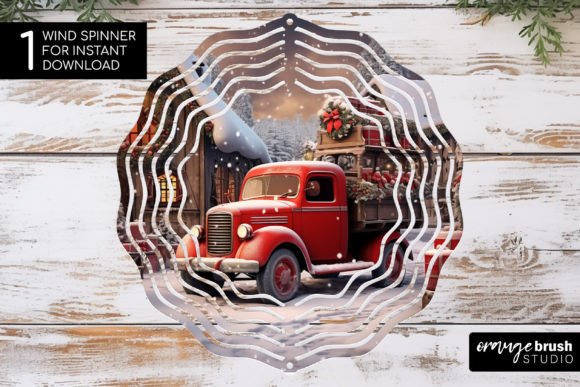
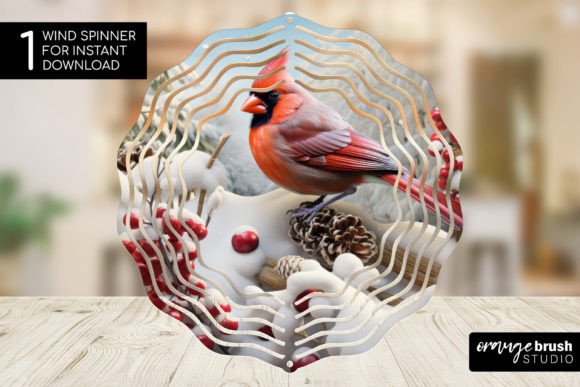
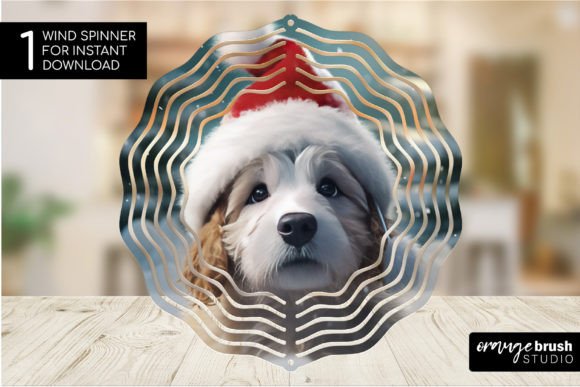
A primary decision factor when acquiring digital designs is understanding the intended end-use. Standard Christmas dog illustrations are typically flat, front-facing vectors or raster images designed for t-shirts, mugs, or stationary cards. In contrast, a dedicated wind spinner template accounts for the physics of the medium. The 3D Christmas Wind Spinner Dog PNG Design utilizes shading, highlighting, and distortion techniques to create an optical illusion of three-dimensionality once applied to a metallic or polymer substrate. This distinction is critical because applying a flat image to a spinning surface often results in visual distortion that breaks the immersion of the artwork.
The "3D" designation in this context refers to rendered aesthetics rather than volumetric modeling. For sublimation purposes, this means the file has been pre-processed to look dimensional when viewed from multiple angles as the spinner rotates. Crafters comparing this to standard vector art should note that while vectors offer infinite scalability, they often lack the complex lighting gradients necessary to simulate volume on a reflective metal surface. The PNG format provided in this design preserves these subtle tonal shifts at 300 DPI, ensuring that the transition between light and shadow remains crisp even after heat transfer.
Technical Specifications and Print Quality Considerations
Evaluating the technical parameters of a digital download prevents compatibility issues during the production phase. This specific resource is delivered as a high-quality PNG file with a transparent background, sized at 10x10 inches. When comparing this to alternative formats like SVG or DST, several tradeoffs emerge regarding workflow and output quality.
- Resolution Integrity: At 300 DPI, the 10x10 inch dimension provides sufficient pixel density for metal sublimation. Lower resolution files may appear pixelated on reflective surfaces where imperfections are magnified by light.
- Transparency Utility: The transparent background allows for seamless integration onto pre-coated metal blanks without requiring manual masking. This differs from JPEG alternatives, which often introduce white box artifacts that require additional editing time.
- Format Limitations: Unlike SVG files, PNGs are raster-based. Significant resizing beyond the native 10x10 dimensions may result in quality loss. Users planning to create oversized garden spinners (12 inches or larger) must verify if this resolution meets their threshold or if a vector alternative would be superior.
- Color Profile Management: Sublimation on metal tends to produce vibrant, high-contrast results. The design’s intricate details are optimized for this medium, whereas designs created for matte paper may appear washed out or overly dark when transferred to aluminum.
For makers using RIP software or specialized color profiles for metal substrates, the PNG format generally offers a reliable baseline. However, those requiring precise color matching across different product lines might find the lack of editable vector layers limiting. The choice ultimately depends on whether the priority is ease of use and immediate visual impact or granular control over individual design elements.
Customization Potential Versus Ready-to-Print Convenience
A significant advantage of this specific template is its dual nature as both a finished product and a customizable base. Many wind spinner designs on the market are locked compositions, offering no room for personalization. The 3D Christmas Wind Spinner Dog PNG Design includes a sublimation background that functions effectively as a standalone piece, yet retains negative space or complementary areas suitable for adding text, names, or additional graphics.
This flexibility presents a strategic benefit for different user segments. For hobbyists creating personal gifts, the ability to add a family name or pet’s name transforms a generic decoration into a sentimental keepsake. For small business owners, this same feature allows for batch customization for local markets or corporate gifts without redesigning the core asset from scratch. When evaluating this against fully custom design services, the template approach significantly reduces lead time and cost per unit, though it does impose certain layout constraints based on the original artist’s composition.
However, users should assess their proficiency with graphic editing software before committing. While the transparent background facilitates layering, achieving a cohesive look requires understanding blend modes, opacity, and color harmony. Adding clashing fonts or low-resolution text can detract from the professional quality of the underlying 3D render. Those uncomfortable with digital editing may prefer fully completed designs, while experienced designers might view this as a time-saving foundation rather than a final solution.
Comparing Digital Downloads to Physical Kits and AI Generation
The marketplace for wind spinner designs includes three primary categories: digital downloads, physical DIY kits, and AI-generated imagery. Each serves different needs regarding immediacy, quality assurance, and creative control.
Digital Downloads vs. Physical Kits: Purchasing a digital file like this PNG eliminates shipping costs and wait times associated with physical kits. It also offers material freedom; users can select their preferred metal blank thickness, coating type, and hardware quality rather than being locked into a kit manufacturer’s specifications. The tradeoff is the requirement for sublimation equipment and technical knowledge. Physical kits offer convenience and guaranteed compatibility but often come at a higher price point with less margin for profit or personalization.
Curated Designs vs. AI Generation: With the rise of generative AI, some crafters consider creating their own wind spinner art. While AI can generate novel concepts, it frequently struggles with the specific geometric requirements of kinetic art. AI models often produce inconsistent lighting, anatomical errors in animal subjects, or backgrounds that do not tile correctly on circular surfaces. A professionally curated 3D Christmas Wind Spinner Dog PNG Design has been manually refined to ensure anatomical correctness, consistent light sources, and appropriate safe zones for cutting and bending. For commercial sellers or those demanding reliability, human-refined templates typically offer a safer investment than unverified AI outputs that may require extensive post-processing.
Assessing Suitability for Commercial and Personal Use
Determining whether this design fits your specific project requires an honest assessment of your equipment, timeline, and end goals. The 10x10 inch size is versatile for standard garden spinners but may be insufficient for large-scale yard art. Users should measure their blanks before purchase to avoid scaling issues.
For commercial vendors, the intricate details and vibrant colors described in the product specifications suggest a design optimized for retail appeal. Metal sublimation customers typically expect high-gloss, photographic-quality finishes. This PNG’s 300 DPI resolution supports that expectation, whereas lower-tier designs might suffice only for matte or fabric applications. Additionally, the inclusion of a transparent background streamlines production workflows, allowing for faster turnaround times during peak holiday seasons.
Conversely, beginners without access to a heat press capable of accommodating 10-inch circular blanks should consider smaller test projects first. Sublimation on metal requires precise temperature, pressure, and timing; even a perfect digital file cannot compensate for improper pressing technique. Evaluating your current setup against the file’s requirements ensures that the investment in the digital asset translates successfully into a tangible product.
Making an Informed Selection Based on Project Requirements
The decision to utilize the 3D Christmas Wind Spinner Dog PNG Design should stem from a clear alignment between the file’s attributes and the project’s demands. It excels in scenarios requiring a balance of professional aesthetics and customizable functionality, particularly for metal sublimation. Its strengths lie in pre-rendered dimensionality, appropriate resolution for reflective surfaces, and flexible layering capabilities.
However, it is not a universal solution. Makers requiring scalable vector graphics for laser cutting alongside printing, or those needing dimensions significantly larger than 10 inches, should explore alternative formats. Similarly, those seeking a completely hands-off experience without digital editing may find better value in pre-printed physical items. By weighing these factors—format limitations, customization needs, equipment compatibility, and comparative alternatives—crafters can confidently select resources that enhance rather than hinder their creative output. The goal is to choose digital assets that serve as reliable tools in the production process, ensuring that the final wind spinner delivers both visual elegance and lasting durability in outdoor environments.