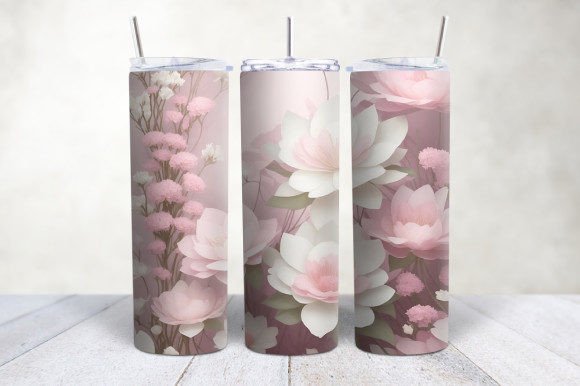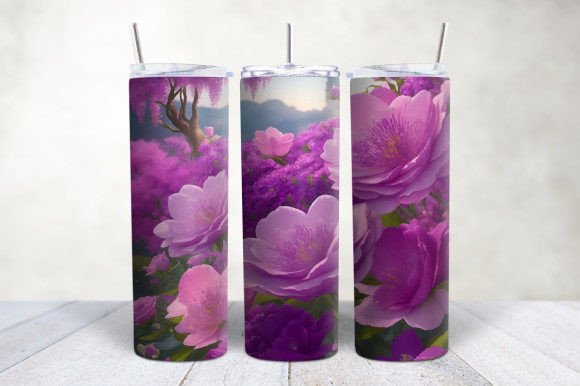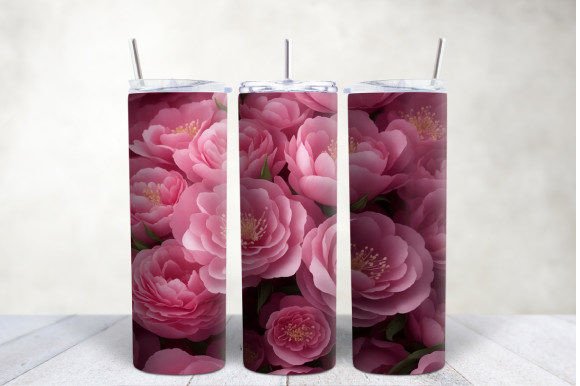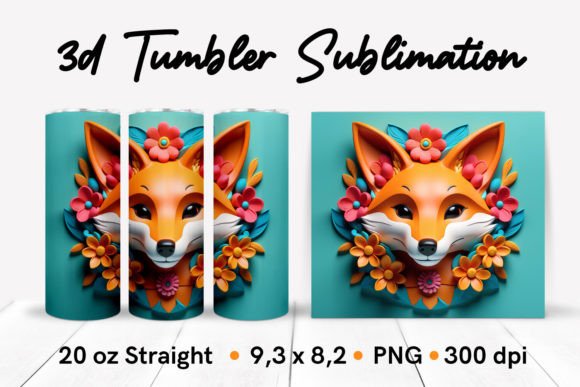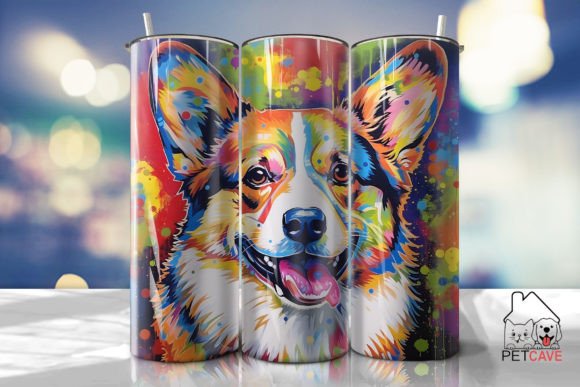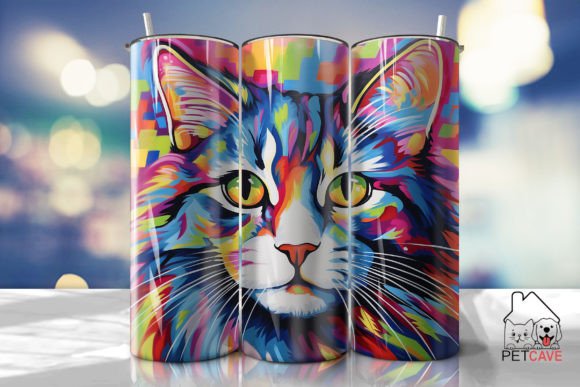
3D Pop Art Resin Tumbler Wrap: Elevating Custom Drinkware with Digital Precision
The custom drinkware market has undergone a significant transformation in recent years, moving beyond simple monograms and flat vinyl decals into the realm of high-fidelity visual art. At the forefront of this shift is the 3D Pop Art Resin Tumbler Wrap, a digital design solution that bridges the gap between retro aesthetics and modern manufacturing capabilities. This specific style of wrap leverages the vibrant, high-contrast nature of pop art while utilizing digital shading techniques to create an illusion of depth and texture. For creators, small business owners, and hobbyists, understanding the utility and application of these wraps is essential for staying relevant in a saturated marketplace where visual impact drives consumer engagement.
The relevance of this design format extends beyond mere aesthetics; it represents a convergence of artistic trends and technical accessibility. As resin coating and sublimation technologies have become more affordable, the demand for complex, gallery-quality artwork on functional items has surged. The 3D Pop Art Resin Tumbler Wrap satisfies this demand by providing a pre-designed, high-resolution canvas that mimics the tactile feel of layered resin without requiring the user to physically pour multiple layers of epoxy. This efficiency allows makers to produce premium-looking goods with faster turnaround times, addressing the modern need for both quality and speed in creative entrepreneurship.
The Evolution of Digital Wraps in Modern Maker Culture
To understand why a 3D Pop Art Resin Tumbler Wrap is currently resonating with audiences, one must look at the evolution of personalization. Ten years ago, custom tumblers were largely defined by adhesive vinyl and simple heat transfers. Today, the market expects seamless, edge-to-edge coverage with photographic clarity. This shift mirrors broader lifestyle changes where consumers view everyday objects as extensions of their personal brand or artistic taste. The "pop art" revival speaks to a nostalgia for bold expressionism, while the "3D" aspect caters to a generation raised on high-definition screens and immersive digital experiences.
This evolution also reflects changing workflows among professionals and freelancers in the crafting industry. There is less time spent on hand-painting intricate details and more time focused on curation and production. Digital wraps serve as a force multiplier, allowing a single creator to offer a diverse catalog of designs without mastering every traditional art medium. The 3D Pop Art style specifically capitalizes on current interior design and fashion trends that favor maximalism and color blocking, making these tumblers not just drinkware, but accessories that align with contemporary visual culture.
Technical Specifications and File Versatility
Successful application of any digital wrap relies entirely on technical accuracy. When acquiring a 3D Pop Art Resin Tumbler Wrap, understanding exactly what you receive is critical for avoiding production errors. This specific digital asset is delivered as a single ZIP file containing two distinct high-resolution PNG files, both rendered at 300 DPI to ensure crisp printing quality. The inclusion of dual formats addresses the most common pain point in tumbler manufacturing: the variance in cup shape.
- Straight Format (9.3” x 8.2”): This file is designed for standard straight-walled 20oz tumblers. The dimensions are calibrated to wrap perfectly around a cylindrical surface without distortion, ensuring the pop art elements remain proportionate from top to bottom.
- Tapered Format (9.3” x 8.2”): Many popular tumbler blanks feature a slight taper toward the base. Using a straight wrap on a tapered cup results in wrinkling or misaligned seams. The included tapered file accounts for this geometry, allowing the image to conform smoothly to the curved surface.
It is vital to note that this listing is for digital files only. No physical products will be shipped, and there are no cutting files (SVG) included. This distinction is important for workflow planning; these PNGs are raster images intended specifically for print-based application methods rather than vector-based cutting machines. Understanding this limitation upfront prevents frustration and ensures users have the correct hardware and software ready before purchase.
Application Methods and Practical Workflow Integration
The versatility of the 3D Pop Art Resin Tumbler Wrap lies in its compatibility with multiple decoration techniques. While the design simulates the look of resin, it is primarily intended for sublimation, waterslide decals, or regular printing on 20oz tumblers. Each method offers different advantages depending on the maker’s equipment and desired finish.
Sublimation remains the industry standard for full-wrap designs because the ink becomes part of the polymer coating, resulting in a smooth, dishwasher-safe finish. The 300 DPI resolution of these files is optimized for this process, retaining the sharp lines and vibrant gradients necessary for the 3D effect to translate correctly onto metal. For those using waterslide paper, the high contrast of pop art helps mask minor transparency issues that can sometimes occur with lighter inks. Regular printing options, such as UV DTF or adhesive prints, also benefit from the bold color separation inherent in this art style, which tends to be more forgiving than subtle watercolor designs when reproduced mechanically.
For educators and workshop leaders teaching tumbler making, these digital assets serve as excellent teaching tools. They allow students to practice alignment, seam management, and heat press timing without the pressure of creating original artwork from scratch. The availability of both straight and tapered versions provides a practical lesson in substrate geometry, reinforcing the importance of matching digital assets to physical blanks.
Navigating Color Accuracy and Device Calibration
A realistic expectation for any digital product is that colors may vary depending on devices and printers. This is particularly relevant for 3D Pop Art designs, which rely on specific hues to create the optical illusion of depth. A monitor displays color using light (RGB), while printers use ink (CMYK). Without proper color management, the vibrant neon or pastel tones characteristic of pop art can appear dull or shifted in the final product.
Professionals should incorporate color profiling into their workflow when using these wraps. Printing a test strip on the actual sublimation paper or decal stock intended for the project is a recommended best practice. This step accounts for variables such as ink age, paper type, humidity, and press temperature. Because the 3D effect depends on shadow and highlight contrast, even minor color shifts can flatten the image. Acknowledging this variability is not a drawback of the product but a standard aspect of digital-to-physical production. Makers who calibrate their expectations and equipment accordingly will consistently achieve professional results that match the screen preview.
Commercial Viability and Creative Adaptation
For entrepreneurs and marketers, the 3D Pop Art Resin Tumbler Wrap offers a strategic advantage in product differentiation. In a marketplace flooded with generic floral patterns and minimalist text, bold graphic art stands out in social media feeds and retail displays. The visual complexity of the 3D rendering suggests a higher value proposition, allowing sellers to command better margins compared to simpler designs. Furthermore, the pop art aesthetic appeals to a broad demographic range, from Gen Z consumers drawn to Y2K revival styles to older demographics appreciating mid-century modern references.
Creatives can also use these wraps as a foundation for further customization. While the file itself cannot be edited as a vector, the high-resolution PNG can be layered with personalized names or logos in raster editing software before printing. This hybrid approach allows for semi-custom products that retain the professional quality of the base art while offering the personalization clients expect. Bloggers and content creators in the DIY niche can leverage the striking visuals of these wraps for tutorial content, unboxing videos, or portfolio pieces, as the high-contrast imagery performs exceptionally well in video and photo formats.
Best Practices for Digital Asset Management
Integrating digital wraps into a sustainable creative practice requires organized asset management. Since this product arrives as a ZIP file, immediate extraction and proper filing are essential. Users should store the original 300 DPI files in a dedicated cloud backup to prevent data loss. Creating working copies for daily use protects the master file from accidental corruption or overwriting during editing sessions.
Additionally, maintaining clear records of licensing and usage rights is crucial for business owners. While these files are purchased for creation, understanding the specific terms regarding commercial use versus personal use protects against intellectual property disputes. Responsible digital citizenship involves respecting the creator's work while maximizing the utility of the asset within agreed-upon boundaries. This professional approach to digital resource management distinguishes serious makers from casual hobbyists and builds long-term trust with both suppliers and customers.
Ultimately, the 3D Pop Art Resin Tumbler Wrap represents more than just a decorative file; it is a tool that embodies the intersection of art, technology, and commerce. By understanding its technical specifications, application methods, and market positioning, users can transform a simple digital download into tangible, high-value products. Whether used for business expansion, skill development, or personal expression, this asset supports the modern maker’s journey toward greater creativity and operational efficiency. Thank you for shopping with me, and may your creations continue to inspire and delight.