3D Halloween Fruit Skull Dragon Fruit: Mastering Digital Cut Files for Professional Results
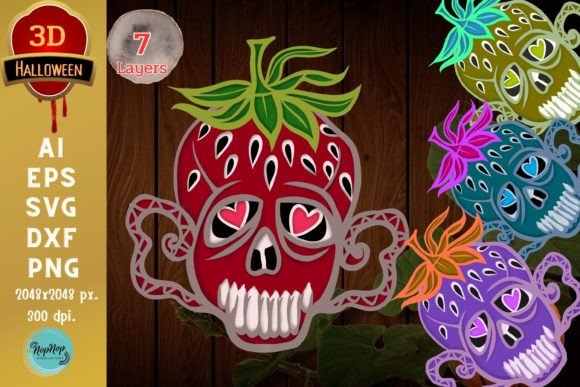
The intersection of spooky aesthetics and organic forms has created a unique niche in seasonal design, and the 3D Halloween Fruit Skull Dragon Fruit stands out as a prime example of this trend. This digital asset merges the intricate, textured appearance of exotic fruit with the classic symbolism of a skull, offering creators a versatile graphic that feels both festive and artistically sophisticated. Whether you are crafting custom apparel, designing laser-cut decorations, or creating sublimation prints, understanding the technical nuances of this specific file set is essential for achieving professional-grade results. Many users approach digital downloads assuming they are plug-and-play solutions, but maximizing the potential of these layered designs requires a solid grasp of file formats, resolution settings, and material compatibility.
Understanding File Formats and Software Compatibility
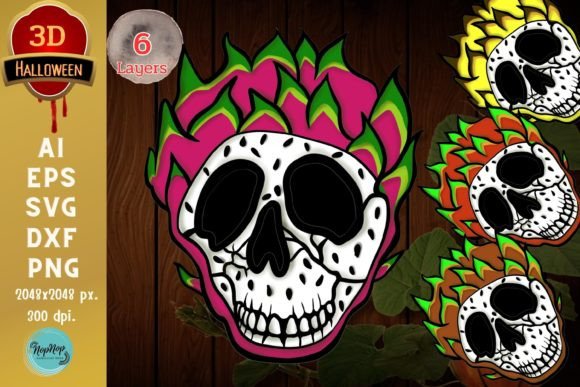
One of the most frequent hurdles creators face when working with complex vector art like the 3D Halloween Fruit Skull Dragon Fruit is selecting the incorrect file format for their specific machine or software. This download includes six layered designs packaged in a single zip file, providing AI, EPS, SVG, DXF, and PNG options. A common mistake is attempting to open an SVG file in Adobe Illustrator when the EPS or AI version would provide superior editability for vector manipulation. Conversely, Cricut Design Space users often try to import high-resolution PNGs instead of SVGs, resulting in pixelated cuts rather than clean vector paths.
For those using Silhouette Designer Edition, the SVG format is typically the best choice for retaining layer separation. However, if you are working with older versions of cutting software or specific laser systems like Glowforge, the DXF file may be necessary despite its occasional tendency to lose fill colors during import. Always verify which format your specific software version supports natively before beginning your project. Using the wrong format can lead to hours of troubleshooting disconnected nodes or re-tracing artwork that was already perfectly vectored. The inclusion of Make the Cut and Corel Draw compatible files ensures broad accessibility, but only if you match the file extension to your workflow requirements.
Navigating Resolution and Color Expectations
Misunderstandings regarding resolution and color representation frequently lead to disappointment in final outputs. The artboard size for this design is set to 2048 × 2048 pixels at 300 DPI. While this resolution is excellent for digital printing and sublimation, some users mistakenly believe it applies to vector scalability. Remember that vectors (AI, EPS, SVG, DXF) are mathematically defined and can be scaled infinitely without quality loss, whereas the PNG files have fixed dimensions. If you attempt to upscale the PNG beyond its native 2048px width for large-format printing, you will encounter blurriness.
Perhaps the most critical detail to note involves the color presentation. The listing displays colored PNG samples to showcase the design's potential, but the actual cut-ready PNG file included in the download is black. This is standard industry practice for cut files because cutting machines read contrast, not color, to determine cut lines. Beginners often assume they received a defective file when they see a black image instead of the vibrant sample. To avoid this confusion, always use the provided colored PNG files specifically for printing or sublimation projects, and reserve the black PNG or vector files for cutting. Understanding this distinction prevents unnecessary support requests and streamlines your production process.
Optimizing Material Selection for Layered Designs
Because this is a layered design comprising six distinct components, material selection plays a pivotal role in the visual success of the 3D Halloween Fruit Skull Dragon Fruit. A significant oversight occurs when creators use multicolored or heavily patterned paper for layers that require high contrast. Since the design relies on depth and shadow to create the "3D" illusion, using similar tones for adjacent layers will flatten the image and obscure the intricate dragon fruit texture.
When planning your cut, visualize the stack-up order. Choose paper colors that complement each other while maintaining enough contrast to define the skull’s features against the fruit elements. For laser cutting enthusiasts, consider how different materials interact with heat. Cardstock may scorch differently than vinyl or acrylic, affecting the crispness of the fine details in the dragon fruit scales. Test cuts are non-negotiable here. The complexity of the fruit’s texture means that blade depth and laser power settings must be dialed in precisely; too much power will melt delicate points, while too little will leave uncut segments. Investing time in material testing saves costly waste and ensures the dimensional effect translates from screen to physical object.
Technical Checks Before Cutting and Printing
Before sending the 3D Halloween Fruit Skull Dragon Fruit to your machine, perform a series of technical validations to prevent mid-project failures. First, unzip the file completely and organize the contents into a dedicated project folder. Working directly from a compressed zip archive can cause software glitches or incomplete imports. Next, inspect the vector paths in your editing software. Even professionally designed files can develop stray nodes during format conversion. A quick "clean up" or "optimize" pass in Illustrator or Inkscape can remove invisible artifacts that might cause your cutter to pause unexpectedly or make erratic movements.
For ScanNCut and Glowforge users, ensure your canvas size matches the 2048 × 2048 pixel artboard or adjust your workspace accordingly to prevent clipping. If you are using the design for commercial products, double-check that your chosen material aligns with the intended end-use. The high resolution makes this suitable for detailed clipart printing, but remember that backgrounds pictured in promotional listings are not included. You must create or source your own background textures if the design is being used as a standalone print element. Finally, confirm that your software recognizes all six layers as separate entities. Merged layers defeat the purpose of a multi-part design and eliminate the ability to assign different colors or materials to specific sections of the skull and fruit composition.
Maximizing Value Through Strategic Application
To truly leverage this digital download, think beyond single-use applications. The versatility of having both vector and raster formats allows for cross-platform creativity. Use the SVG for vinyl decals on tumblers, the DXF for wooden ornament engraving, and the colored PNG for matching sticker sheets or packaging inserts. This multi-format approach maximizes the return on investment for the digital asset. However, maintain consistency in sizing across mediums. Scaling a design for a mug versus a t-shirt requires proportional adjustments to preserve the integrity of the dragon fruit texture. What looks detailed at 10 inches may become indistinguishable noise at 2 inches.
Ultimately, success with the 3D Halloween Fruit Skull Dragon Fruit depends on respecting the technical specifications and preparing adequately for the physical execution. By avoiding assumptions about color, verifying format compatibility, and strategically selecting contrasting materials, you transform a simple digital download into a polished, professional creation. Take the extra minutes to understand the file structure and test your settings. These small preventive measures distinguish amateur attempts from expert craftsmanship, ensuring your Halloween projects are as impressive in reality as they are in the digital preview.